Essential Safety Tips for Visiting Kegon Falls in Snow
Visiting Kegon Falls in winter is a truly magical experience for travelers. The frozen water creates a stunning blue ice pillar that draws many visitors. You must prepare for cold weather and very slippery paths. Use these safety tips for visiting Kegon Falls in snow to stay protected.
Dressing for the Nikkō Winter Cold
Wear warm layers to stay comfortable in Nikkō during the winter months. Temperatures often drop below freezing during the day and night in 2026. Start with a moisture-wicking base layer against your skin. Add a thick wool sweater or fleece for extra insulation.
A waterproof outer jacket is vital for snowy days at the falls. This layer protects you from biting wind and wet snow. Choose boots with excellent grip and deep rubber treads. Consider using detachable ice cleats for extra safety on frozen ground.
Don't forget to protect your head, hands, and neck from the cold. A warm hat that covers your ears is essential for long walks. Use thick gloves that allow you to hold your camera securely. A heavy scarf prevents cold air from entering your jacket.
Buy disposable heat packs, known as Kairo, at local Japanese convenience stores. These small packs provide warmth for several hours in your pockets. Place them inside your gloves or boots for extra comfort. They are affordable and very effective for cold Nikkō winters.
Navigating Icy Observation Decks Safely
The main observation deck requires a short elevator ride to reach the bottom. This elevator operation remains safe and reliable during the winter season. However, the metal walkways at the bottom can become extremely slippery. Always hold onto the handrails while moving between different levels.
Mist from the falls can freeze instantly on the ground surfaces. This creates thin layers of black ice that are hard to see. Walk slowly and avoid any sudden movements or running near the edges. Keep your hands out of your pockets to maintain better balance.
The upper viewing platform also gets very icy from heavy foot traffic. Snow gets packed down and turns into a slick sheet of ice. Take short steps and keep your weight centered over your feet. Allow other tourists to pass you safely on wider sections of path.
Wait for your turn to take photos at the most popular spots. Crowding near the railings can be dangerous on slippery winter floors. Be patient and mindful of the people moving around you. Safety is more important than getting a quick photo of the ice.
Winter Travel and Road Safety
Buses from Nikko Station are the safest way to reach the falls. Professional drivers handle the winding mountain roads with great care and skill. They use specialized winter tires to navigate the steep Irohazaka Slope safely. This is much safer than driving a rental car yourself.
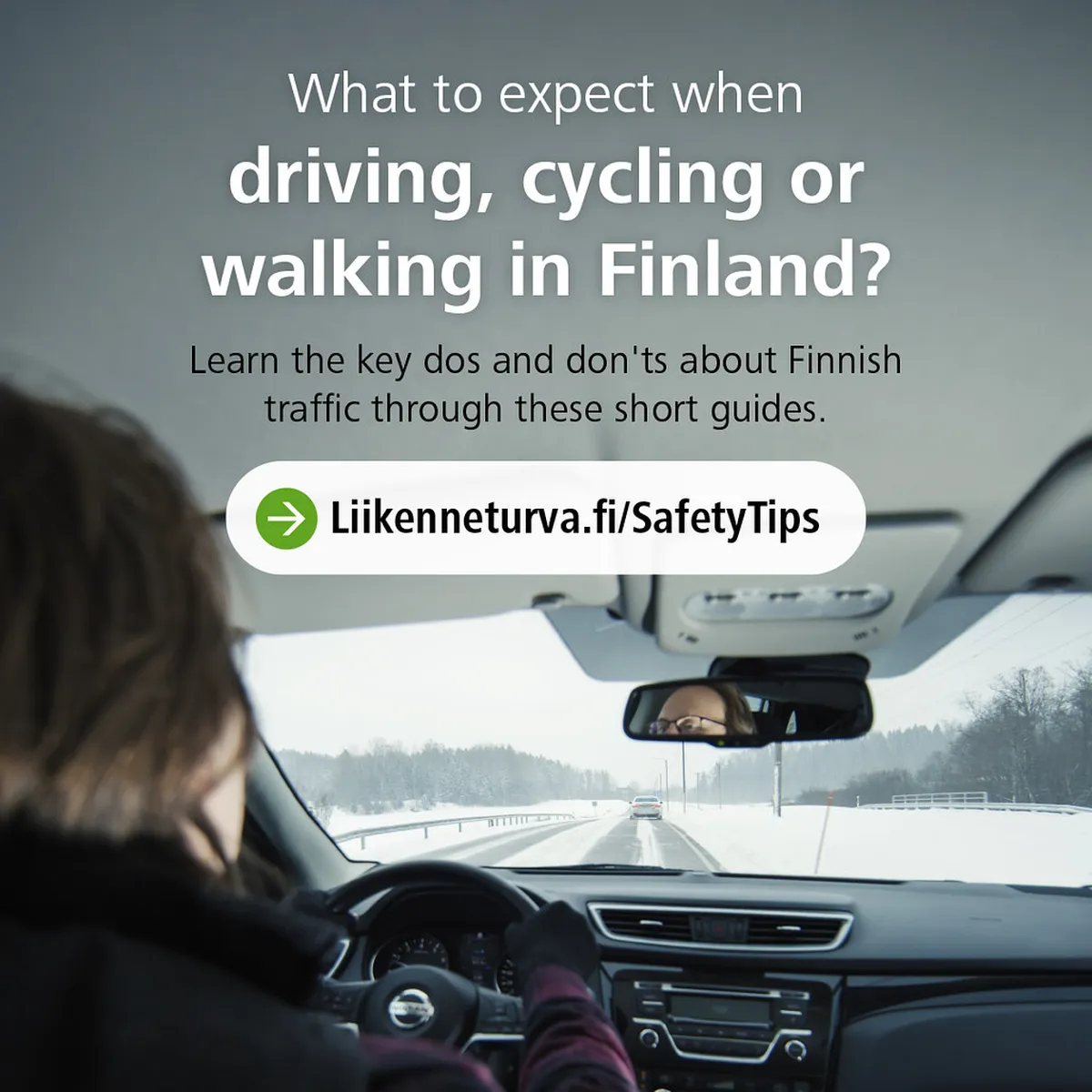
If you choose to drive, use a 4WD vehicle for better traction. Ensure your rental car has high-quality winter tires installed before leaving. Drive slowly and keep a large distance from the car in front. Sudden braking on mountain curves can lead to dangerous skidding.
Walking from the bus stop requires extra caution in the 2026 season. Sidewalks near Lake Chuzenji often have deep snow or hidden ice patches. Follow the walking path to Kegon Falls carefully to avoid accidents. Watch for falling icicles from nearby building roofs and trees.
Check the latest weather reports before you leave your hotel in Nikkō. Heavy snowstorms can sometimes lead to temporary road or path closures. The Nikko Official Guide provides updates on local conditions. Stay flexible with your schedule if the weather turns bad.
Physical Health and Cold Protection
The wind near the falls can feel very sharp and cold. Exposed skin can suffer from frostbite in a very short time. Keep your face covered with a scarf or a high collar. Apply lip balm and moisturizer to prevent skin from cracking.
Stay hydrated even when the weather feels very cold outside. Warm drinks can help maintain your core body temperature during your visit. You can find hot tea and coffee in local vending machines. These machines are located near the main bus stop area.
Take frequent breaks inside the nearby heated visitor centers or shops. This gives your body a chance to warm up and recover. Do not push yourself if you start to feel very tired. Cold weather drains your energy much faster than warm weather.
Be aware of the signs of hypothermia while exploring the outdoors. Shivering and confusion are early warning signs that you need heat. Head back to the bus station if you feel unwell. Consult the Kegon Falls winter ice guide for indoor rest spots.
Recommended Safety Gear for Snow
Portable ice cleats are the best investment for a winter trip. These rubber grips stretch over your normal shoes or boots easily. They provide metal spikes that dig into the ice for stability. You can buy them at many train stations in Japan.
Polarized sunglasses are helpful for dealing with the bright snow glare. The sun reflecting off the white snow can be very blinding. Good glasses protect your eyes and help you see path hazards. This makes walking much safer on bright and sunny winter days.
Carry a small backpack to keep your hands free while walking. This allows you to use handrails or catch yourself if you trip. Store your extra layers and water bottle inside the bag securely. Avoid carrying heavy bags on just one shoulder for balance.
Keep your phone battery warm to ensure it works in emergencies. Cold temperatures cause smartphone batteries to drain very quickly in winter. Store your phone in an inner pocket close to your body. Bring a portable power bank to keep your devices fully charged.
Frequently Asked Questions
Is it safe to visit Kegon Falls during a snowstorm?
It is generally safe if the elevator and buses are running. However, visibility may be low and paths will be very slippery. Check for local weather warnings before you start your journey. It is better to wait for clear weather for safety and better views.
What is the best time to see the frozen falls safely?
The best time to see frozen Kegon Falls is mid-winter. Late January and February offer the most impressive ice formations. Visit during the morning to avoid the largest crowds on the slippery decks. Always check the daily temperature before heading out.
Do I need professional hiking gear for the visit?
You do not need professional hiking gear for the main platforms. Standard winter clothing and shoes with good grip are usually enough. However, ice cleats are highly recommended for the icy metal walkways. Most visitors find that warm city winter wear works well.
Following these safety tips for visiting Kegon Falls in snow ensures a great trip. Prepare your clothing and watch your step on the icy platforms. Enjoy the breathtaking views of the frozen falls in Nikkō safely in 2026. Stay warm and have a wonderful winter adventure in Japan!