
A Complete Kegon Falls Winter Ice Guide for 2026
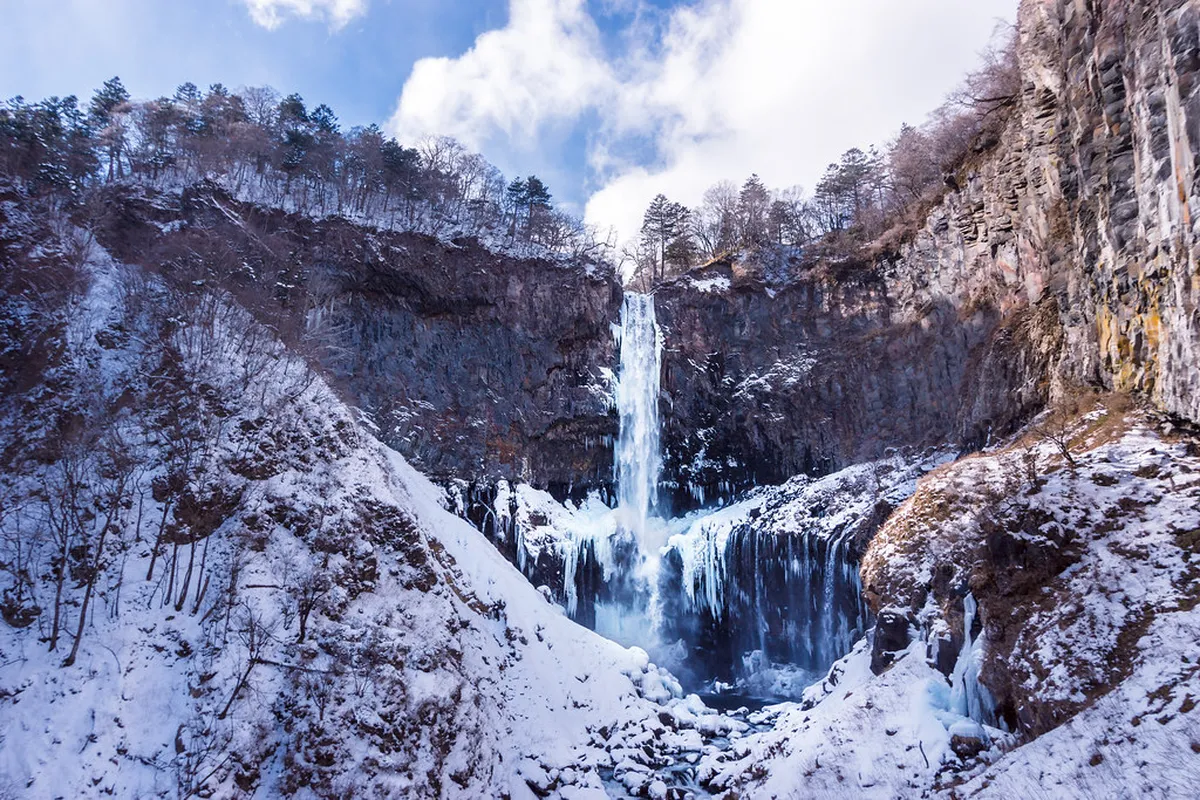
Nikko transforms into a frozen wonderland during the cold winter months of early 2026. This Kegon Falls Winter Ice Guide provides everything you need for a perfect visit. You will see massive pillars of blue ice hanging from the tall cliffs. The surrounding trees sparkle with fresh snow and delicate white frost every single morning.
Best Time to See Frozen Kegon Falls
To plan your trip, review Nikkō travel info.
For the most up-to-date details, check Nikkō travel info before you go.
The best time to see the frozen falls is from late January until mid-February. During this period, the temperatures in Nikko drop low enough to freeze the water. The ice formations reach their peak thickness during these two specific winter months. You should check the best time to see frozen Kegon Falls before booking.Morning visits offer the most spectacular views of the blue ice pillars. The sun hits the falls at an angle that highlights the deep blue colors. You will find fewer crowds if you arrive before the first tour buses. The air is crisp and clear during the early hours of the day.
Check the local weather forecast for several days of sub-zero temperatures. The ice needs consistent cold to form into the massive shapes you see. If the weather is too warm, the ice may melt or fall. Always verify the conditions through the Nikko Official Guide for the latest updates.
Winter in Nikko is beautiful but can be very unpredictable for many travelers. Snowstorms can sometimes hide the falls from view for several hours at a time. Plan to spend at least two days in the area to ensure clear views. This flexibility allows you to wait for the perfect photography conditions.
How to Reach Kegon Falls in Winter
Start your journey at either the JR Nikko Station or the Tobu Nikko Station. Take the Tobu bus bound for Chuzenji Onsen from the main bus stop. The ride usually takes about fifty minutes during the snowy winter season. You should review these Nikko winter transportation tips for a smooth trip.
The bus travels up the famous Irohazaka Winding Road toward the mountain lake. This road features forty-eight sharp curves that offer amazing views of the valley. Buses are equipped with special snow tires to handle the icy mountain roads safely. Sit on the left side of the bus for the best scenic views.
Get off the bus at the Chuzenji Onsen bus stop near the lake. The entrance to the falls is only a five-minute walk from the station. Follow the clear English signs that lead you toward the main elevator building. The paths are usually cleared of deep snow for the safety of visitors.
Purchasing a Nikko All Area Pass can save you a lot of money. This pass covers all bus rides between the stations and the mountain areas. It is a great value for those visiting multiple sites in one day. You can buy these passes at the Tobu Nikko Station arrival hall.
Visiting the Kegon Falls Observation Deck
The main observation deck is accessible by a deep elevator built into the rock. This elevator travels one hundred meters down to the base of the canyon. The round-trip ticket costs 570 yen for adults in the year 2026. Children can ride the elevator for a reduced price of 340 yen.
There are three different levels at the lower observation area for visitors. Each level provides a unique perspective of the frozen water and the rocks. You can see the smaller waterfalls that freeze alongside the main flow. The power of the water is incredible even when it is mostly frozen.
The upper viewing deck is free to use and offers a wide view. It is located near the elevator entrance and the local gift shops. This area is perfect for a quick look if you are short on time. However, the lower decks provide a much more intimate and powerful experience.
Wait times for the elevator are usually short during the winter weekdays. On weekends, you might wait fifteen minutes during the busy lunch hour period. The elevator is large and can hold many people at one single time. Staff members are available to help with boarding and exit procedures.
Essential Kegon Falls Winter Ice Guide
This Kegon Falls Winter Ice Guide highlights the unique blue color of the ice. The water contains specific minerals that create a stunning azure glow when frozen. This phenomenon is most visible when the ice is very thick and solid. It creates a magical atmosphere that feels like a scene from a movie.
The mist from the waterfall freezes onto the nearby trees and dark rocks. This creates delicate ice flowers and intricate patterns throughout the entire canyon area. You will notice how the ice changes shape as the winter season progresses. No two visits to the falls will look exactly the same way.
Many visitors enjoy comparing the winter view to the lush green summer scenery. The contrast between the white snow and the dark volcanic rock is striking. You can learn more about Lake Chuzenji winter activities to complete your day trip. The entire region offers a peaceful escape from the busy city life.
Local legends say the falls were named after a famous Buddhist scripture. The spiritual energy of the site feels very strong during the quiet winter. Many people visit the falls to find peace and reflect on the year. The sound of the wind through the ice is truly hauntingly beautiful.
Photography Tips for the Frozen Falls
Capturing the beauty of the ice requires some preparation for your camera gear. Use a tripod to keep your shots sharp in the low morning light. The bright white snow can sometimes trick your camera into underexposing the photo. Read these photography tips for frozen Kegon Falls for better results.
Cold temperatures will drain your camera batteries much faster than usual in Nikko. Keep your spare batteries in an inside pocket close to your warm body. This simple trick will help you take photos throughout the entire day. Bring a microfiber cloth to wipe away any mist from your lens.
A wide-angle lens is perfect for capturing the scale of the entire canyon. If you want to see the ice textures, use a telephoto lens. Zoom in on the frozen mist to see the tiny crystal details. Experiment with different shutter speeds to capture the moving water and ice.
The best light occurs during the first two hours after the sun rises. Avoid taking photos at noon when the sun is directly above the falls. This harsh light creates dark shadows that hide the beautiful blue ice colors. Late afternoon also provides a warm glow that looks great in pictures.
Safety and Warmth Tips for Nikko
The temperatures at the falls can drop well below zero degrees Celsius. You must wear several layers of high-quality thermal clothing to stay warm. A windproof jacket is essential because the canyon can get very breezy today. Follow these safety tips for visiting Kegon Falls for a secure trip.
The observation decks and walking paths can become extremely slippery with hidden ice. Wear sturdy boots with deep treads or attach ice cleats to your shoes. Walk slowly and use the handrails whenever they are available to you. Safety should always be your top priority while exploring the mountain areas.
After your cold adventure, visit a local hot spring to warm your body. Nikko is famous for its natural healing waters and traditional onsen baths. You can find many great options in our Nikko winter onsen guide for this year. Soaking in hot water is the perfect way to end the day.
Plan your return trip to the station before the sun sets completely. The last buses usually depart from the lake area around five o'clock. Check the schedule at the bus stop as soon as you arrive. This ensures you do not get stranded in the cold mountain air.
Frequently Asked Questions
How much does it cost to see Kegon Falls in winter?
Viewing the falls from the upper deck is free for all visitors. However, the elevator to the lower deck costs 570 yen for adults. This fee covers the round trip and access to the best viewing areas. You can find more details in our Nikko winter itinerary.
Is the Kegon Falls elevator open during the winter months?
Yes, the elevator operates daily throughout the winter season in Nikko. It usually opens at 9:00 AM and closes around 4:30 PM each day. Hours may change slightly if there is a severe snowstorm or maintenance. Always check the official signs at the station before you travel.
How long should I spend at Kegon Falls in the snow?
Most visitors spend about one hour exploring the different observation decks. This gives you enough time to take photos and enjoy the scenery. If you plan to eat lunch nearby, allow for two hours total. The area is small but very beautiful during the winter months.
What is the best way to get to Kegon Falls from Nikko?
The Tobu bus is the most convenient way to reach the falls. Buses depart regularly from both the JR and Tobu Nikko train stations. The journey takes fifty minutes and follows a very scenic mountain route. Use a bus pass to save money on your travel costs.
Visiting Kegon Falls in the winter is an experience you will never forget. The blue ice and white snow create a peaceful and magical atmosphere. Use this Kegon Falls Winter Ice Guide to plan your perfect 2026 adventure. Explore the Japan National Tourism Organization site for more travel inspiration today.