Guide to Sunset Photography at Lake Chuzenji in Winter
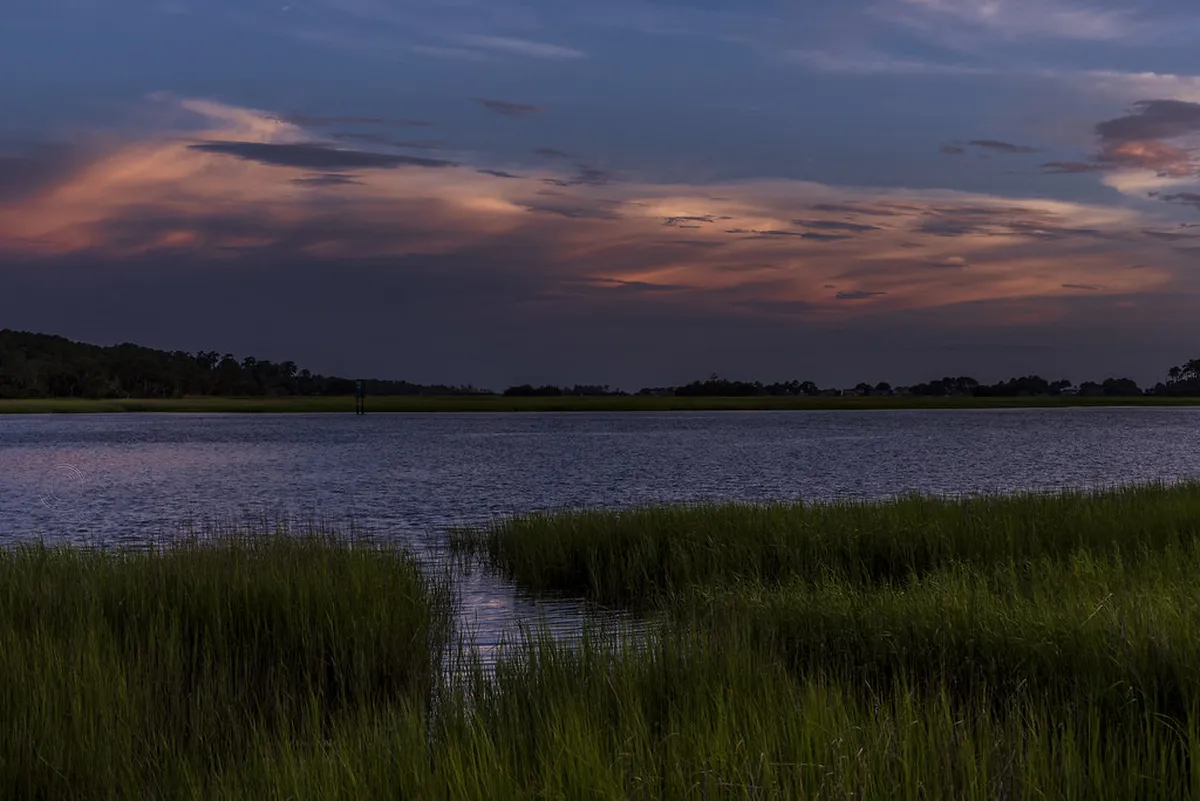
Lake Chuzenji offers a breathtaking backdrop for photographers during the colder months. The crisp mountain air creates a sharp and clear atmosphere. You can capture a vibrant orange glow against the white snow. This guide helps you master sunset photography at Lake Chuzenji in winter for your 2026 trip.
Best Locations for Sunset Photography at Lake Chuzenji
The Hangetsuyama Viewpoint is the premier spot for sunset photography at Lake Chuzenji in winter. This high vantage point offers a panoramic view of the entire lake. You can see Mount Nantai towering over the frozen water. The hike to the top is short but can be very slippery.
For a lower perspective, visit the Italian Embassy Villa Memorial Park. The shoreline here features unique wooden piers and quiet beaches. These structures provide excellent leading lines for your landscape photos. The park is often quieter than the main tourist docks near the town.
The area near the Chuzenji-ko bus stop is perfect for quick access. You can set up your tripod right along the stone wall. This location is one of the Best Winter Photography Spots Nikkō has to offer. It requires very little walking from the public transport stops.
Try exploring the eastern shore near the Futarasan Jinja Chugushi Shrine. The red torii gate looks stunning during the golden hour. The setting sun casts long shadows across the icy beach. This spot adds a cultural element to your winter landscape portfolio.
Essential Gear for Winter Sunset Photography
Cold weather significantly impacts your camera equipment and battery life. Always carry at least two spare batteries in an inner pocket. Your body heat keeps them warm and ready for use. Digital cameras lose power much faster in sub-zero temperatures.
A sturdy tripod is mandatory for capturing the fading light of sunset. Strong winds often blow across the open water of Lake Chuzenji. A heavy tripod prevents camera shake during long exposure shots. You may need to hang your camera bag for extra stability.
Wide-angle lenses help capture the vast scale of the Nikko mountains. A 16mm or 24mm lens is ideal for these wide scenic views. You can find more details in our guide on best camera gear for Nikko winter shoots. Don't forget a microfiber cloth to wipe away snow or condensation.
Consider using a graduated neutral density filter for your sunset shots. These filters help balance the bright sky with the dark lake surface. They prevent your highlights from blowing out while keeping detail in the snow. This tool is essential for professional-looking winter results.
Timing Your 2026 Winter Shoot Perfectly
In early 2026, the sun will set between 4:30 PM and 5:15 PM. You should arrive at your chosen spot by 3:30 PM. This gives you time to scout the best angles and compositions. The light changes very quickly once the sun hits the peaks.
The blue hour occurs immediately after the sun disappears behind the mountains. This period provides a deep blue sky that contrasts with city lights. Many photographers prefer this soft light over the bright golden hour. Stay for at least thirty minutes after the sun sets.
Check the local weather forecast daily during your stay in Nikko. Clear days offer the most vibrant colors in the sky. However, light snow can add a magical mood to your images. Cloudy days are better for focusing on small ice details along the shore.
Plan your visit to coincide with other Nikko winter events for 2026 to maximize your trip. Some festivals feature evening illuminations that are perfect for night photography. Combining sunset shots with festival lights creates a diverse photo gallery. Always check the latest event schedules before you travel.
Composition Tips for Icy Lake Landscapes
Look for interesting ice formations along the edges of the lake. These frozen details make for excellent foreground interest in your photos. Get your camera low to the ground to emphasize the textures. The ice often reflects the warm colors of the sunset sky.
Use the snow-covered mountains to frame your shots of the lake. Mount Nantai is the most iconic peak in the Nikko region. Centering the mountain can create a sense of balance and peace. Alternatively, place it to one side for a more dynamic composition.
Reflections are a powerful tool for sunset photography at Lake Chuzenji in winter. On calm days, the water acts like a giant mirror. You can capture a symmetrical image of the sky and the lake. This effect is most prominent during the early morning or late afternoon.
- Look for leading lines like piers or frozen branches.
- Use the Rule of Thirds to place the horizon line.
- Capture the contrast between warm light and cool shadows.
- Include a human element for a sense of scale.
Practical Travel Tips for Winter in Nikko
Take the Tobu bus from Nikko Station to reach Lake Chuzenji. The ride takes about 50 minutes and costs roughly 1,150 yen. Use a Nikko All Area Pass to save money on multiple trips. Buses run frequently but can be delayed by heavy snowfall.
Wear multiple layers of high-quality thermal clothing for your sunset shoot. Temperatures at the lake often drop below -5°C (23°F) in the evening. Windproof jackets are essential for blocking the cold mountain breezes. Heavy gloves and warm boots are necessary for standing in the snow.
Safety is a priority when walking on icy paths near the water. Use crampons or ice cleats on your boots for better grip. Many paths around the lake are not salted or cleared regularly. Carry a small flashlight for the walk back to the bus stop.
There are many other Lake Chuzenji winter activities to enjoy before sunset. You can visit the Kegon Falls or enjoy a hot drink at a cafe. Most shops close early in winter, so plan your meals accordingly. Always keep a map of the bus stops in your pocket.
Frequently Asked Questions
What is the best month for sunset photography at Lake Chuzenji?
February is the best month for sunset photography at Lake Chuzenji in winter. The snow coverage is usually at its peak during this time. The air is very clear, which leads to more vibrant colors in the sky. You will also find many beautiful ice formations along the lake shore.
Is it safe to walk on the ice at Lake Chuzenji?
No, you should never walk on the ice at Lake Chuzenji. The lake is very deep and the ice thickness is often uneven. Stay on the designated paths and shorelines for your safety. You can still get amazing photos without stepping onto the frozen water surface.
Do I need a car to reach the best photography spots?
You do not need a car to reach most spots. The local bus system is very reliable and covers the main areas. However, a car allows you to reach the Hangetsuyama Viewpoint more easily. Note that winter driving in Nikko requires experience with snow and ice conditions.
Sunset photography at Lake Chuzenji in winter is a rewarding experience for any traveler. The combination of orange skies and white snow creates stunning visual contrasts. Prepare your gear and dress warmly for the best results in 2026. Visit the Nikko Official Guide for more travel updates today.