
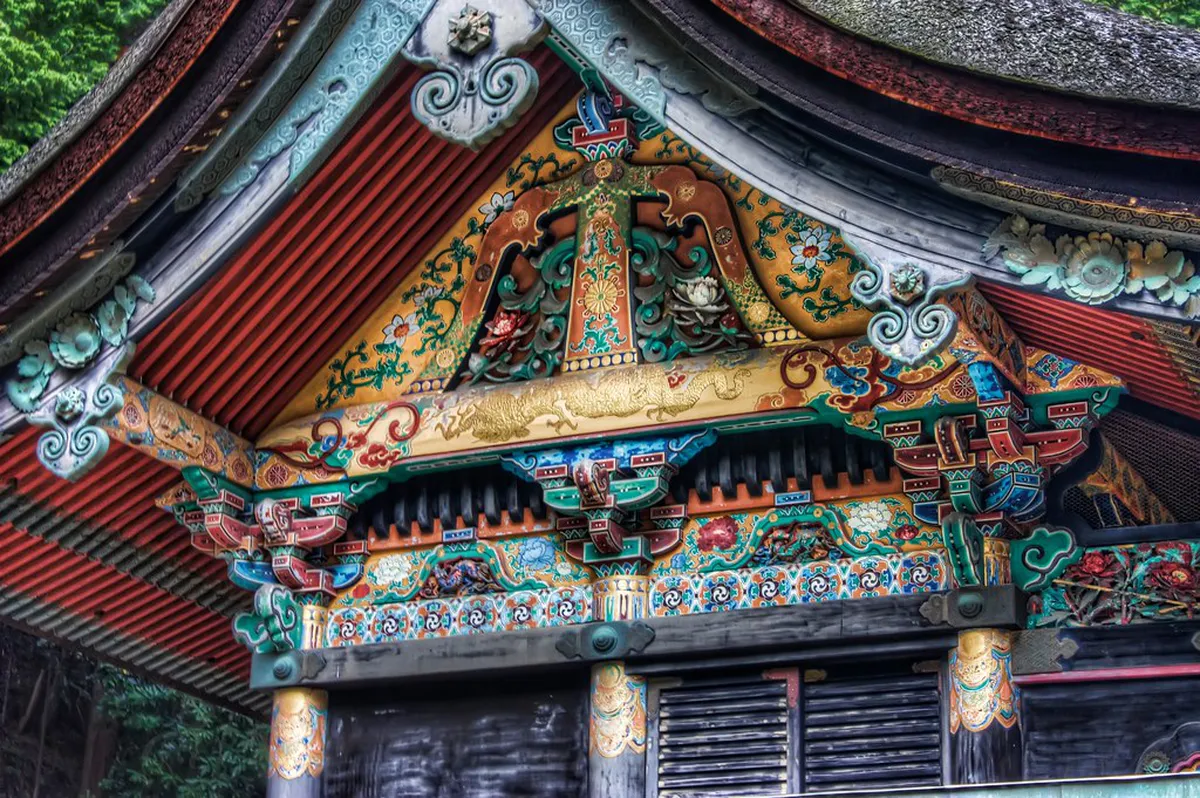
Guide: How to Pray at a Japanese Shrine Correctly
Visiting a Shinto shrine is a highlight of any trip to Osaka in 2026. Learning how to pray at a Japanese shrine correctly ensures you show proper respect. These ancient rituals help you connect with local culture and find spiritual peace. Follow this guide to master the traditional steps of Shinto worship.
Entering the Shrine and Initial Purification
Your spiritual journey begins before you even reach the main altar or the prayer hall. Start by bowing once before you pass under the large wooden Torii gate. This gate marks the boundary between the physical world and the sacred ground. You should walk on the left or right side of the path.
Avoid walking in the very center of the path while you are visiting. The center is traditionally reserved for the Shinto deities to pass through the grounds. Look for the water pavilion called the Temizuya located near the shrine entrance. This is where you perform the essential purification ritual before your prayer.
Hold the wooden ladle with your right hand and fill it with fresh water. Pour some water over your left hand to clean it thoroughly first. Switch the ladle to your left hand and wash your right hand. Rinse your mouth using water from your cupped hand, but do not swallow.
Finally, hold the ladle vertically to let the remaining water wash the handle. This ensures the ladle is clean for the next person using the basin. These simple steps show your respect for the purity of the sacred shrine. You are now ready to approach the main hall for your prayer.
How to Pray at a Japanese Shrine Correctly
Standing before the main altar is the most important part of your visit. Start by tossing a small coin into the large wooden offering box. Many locals prefer using a five-yen coin because it signifies good luck. Ring the bell hanging above the box if one is available there.
Ringing the bell is a way to get the attention of the gods. After ringing the bell, you must follow the standard how to pray at a Japanese shrine correctly sequence. Bow deeply twice toward the altar to show your sincere respect. Your back should be flat and parallel to the ground during bows.
Bring your hands together in front of your chest and clap twice loudly. Keep your right hand slightly lower than your left hand while you clap. After the second clap, keep your hands together and offer a silent prayer. This is the moment to express your gratitude or make a wish.
When you finish your silent prayer, perform one final deep bow to finish. This ritual is used at almost every Shinto shrine across the country. Practicing these steps will make you feel more comfortable during your Osaka travels. Take a moment to enjoy the peaceful atmosphere before you walk away.
Osaka New Year Shrine Visits Traditions
The first few days of January are a very special time in Osaka. Many people participate in Osaka New Year Shrine Visits to start the year right. This tradition is called Hatsumode and it draws millions of visitors annually. Shrines become very crowded but the atmosphere remains joyful and festive.
You can find the best shrines for Hatsumode in Osaka 2026 by checking local guides. Sumiyoshi Taisha is one of the most famous locations for this celebration. Expect to see long lines of people waiting patiently for their turn. Street food stalls often line the paths leading up to the shrine.
During your visit, you might consider buying lucky charms at Sumiyoshi Taisha shrine for protection. These charms are called Omamori and they provide luck for different areas. Some help with health while others are for success in your career. They make wonderful souvenirs to bring back home from your trip.
The Osaka Convention & Tourism Bureau provides updates on festival times and dates. Most shrines are open 24 hours during the first three days of January. Wear warm clothing as you may stand outside for a long time. The winter air in Osaka is quite chilly during the New Year.
Essential Etiquette and Visitor Tips for 2026
Knowing what to wear for new year shrine visit is very helpful. While there is no strict dress code, modest and neat clothing is preferred. Avoid wearing revealing outfits or hats inside the main prayer areas. This shows respect for the spiritual nature of the Shinto shrine.
Be mindful of your noise level while walking through the sacred grounds. Shrines are places of quiet reflection for many local Japanese people. Avoid shouting or running, especially near the main hall and the altars. If you want to take photos, look for any posted signs.
Some areas inside the shrines strictly prohibit photography to protect the deities. Always ask for permission before taking pictures of people in traditional dress. Most shrines allow photos of the architecture and the beautiful surrounding gardens. Use your camera respectfully and do not block the paths of worshipers.
You may also see people tying paper slips to wooden frames nearby. These are Omikuji fortunes that people receive after making a small donation. If the fortune is bad, you tie it up to leave it. If the fortune is good, you can keep it in your bag. This is a fun way to engage with Shinto culture.
Frequently Asked Questions
What is the best coin to use for shrine offerings?
The five-yen coin is considered the luckiest for shrine offerings in Japan. The Japanese word for five yen is 'go-en,' which sounds like 'fate.' Using this coin suggests you are seeking a good connection with the gods. Most visitors carry a few specifically for their prayers.
Can tourists participate in the prayer rituals?
Yes, tourists are very welcome to participate in Shinto prayer rituals at shrines. Shinto is an inclusive faith that focuses on harmony with nature and spirits. As long as you follow the steps respectfully, your presence is appreciated. It is a great way to experience local culture.
Is there a difference between a shrine and a temple?
Shrines are Shinto and usually have a Torii gate at the entrance. Temples are Buddhist and often feature large gates with statues and incense burners. The prayer rituals differ slightly, as you do not clap at Buddhist temples. Always check the entrance to know which ritual to perform.
Mastering how to pray at a Japanese shrine correctly enriches your 2026 Osaka experience. These simple steps of purification and prayer connect you to centuries of tradition. Remember to be respectful, stay quiet, and enjoy the peaceful shrine atmosphere. For more travel tips, visit the Japan National Tourism Organization website today.