
What to Wear for New Year Shrine Visit: Osaka 2026
Planning your first Hatsumode trip requires careful thought about your clothing choices for the cold weather. You must know what to wear for New Year shrine visit to stay comfortable during long outdoor waits. Osaka shrines become very crowded during the first three days of January in the year 2026. Proper preparation ensures you enjoy the spiritual atmosphere without feeling the bite of the winter wind.
Understanding Hatsumode Traditions in Osaka
Hatsumode is the first traditional shrine visit of the year to pray for good luck and health. Many residents in Osaka visit famous sites like Sumiyoshi Taisha to start their 2026 calendar with blessings. You can learn more about Osaka New Year shrine visits to understand the deep cultural significance. Most people visit between January 1st and January 3rd to offer their first prayers.
Expect very long queues at popular shrines because thousands of people gather to celebrate the new year. You might stand in line for over an hour in the cold morning or late evening air. The atmosphere is festive but requires patience as you move slowly toward the main worship hall. Understanding these crowds helps you choose the right clothing for standing still in low temperatures.
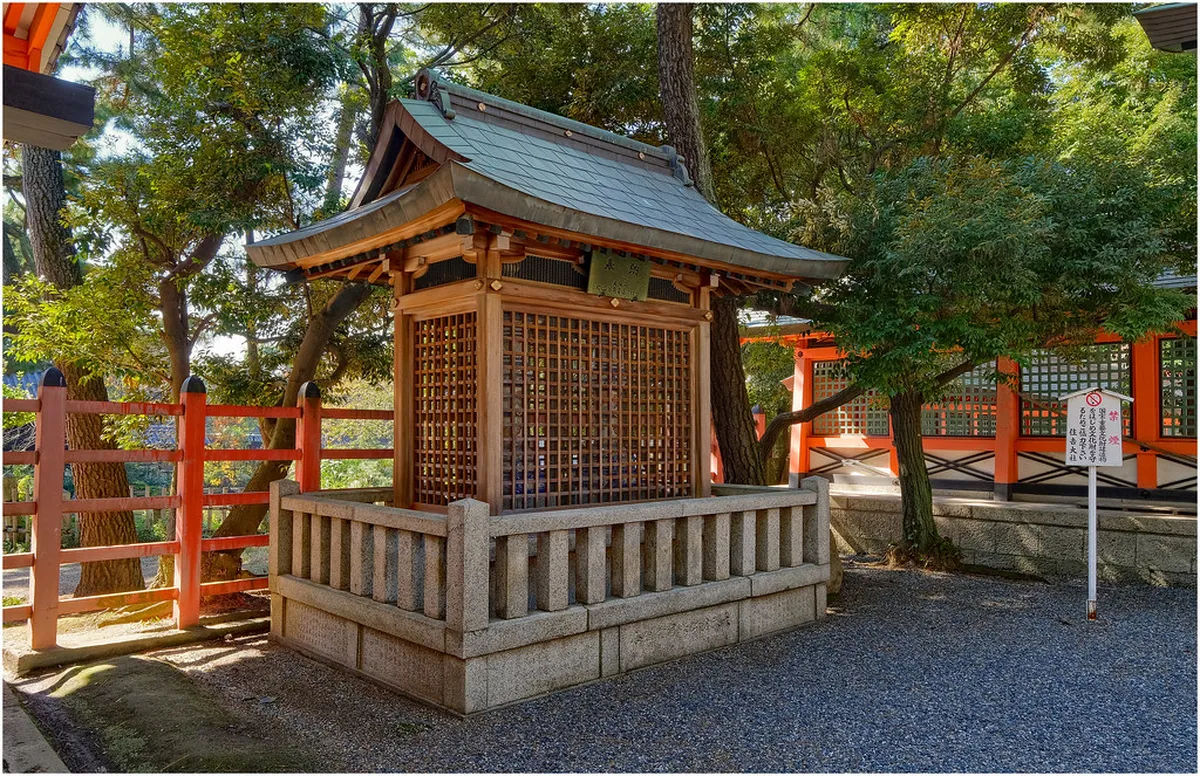
Shrine grounds often feature unpaved paths made of small stones or loose gravel which can be tricky. You should also prepare for the transition between crowded train stations and open, windy shrine courtyards. Many people also visit local food stalls to enjoy warm snacks after they finish their prayers. This mix of standing and walking defines the typical Hatsumode experience for most visitors in Osaka.
What to Wear for New Year Shrine Visit Layers
Layering is the most effective way to stay warm during your 2026 New Year visit in Osaka. Start with a high-quality thermal base layer that traps body heat while remaining breathable and dry. You should choose moisture-wicking fabrics to prevent getting a chill if you sweat in crowded train cars. Adding a wool sweater or a fleece jacket provides excellent insulation against the freezing January temperatures.
Your outer layer should be a heavy down coat or a long wool jacket that blocks the wind. Osaka temperatures in early January often range between three and ten degrees Celsius during the daylight hours. It feels much colder at night when many people choose to visit shrines for the midnight countdown. A long coat also helps keep your legs warm while you stand in long outdoor lines.
Avoid wearing thin materials like cotton which do not provide enough warmth for several hours outside. Instead, focus on technical fabrics or heavy knits that maintain their heat-retaining properties in damp conditions. You can check the Osaka Convention & Tourism Bureau for local weather updates before you leave. Dressing in multiple layers allows you to adjust your temperature easily when entering indoor spaces.
Best Footwear for Navigating Osaka Shrines
Choosing the right shoes is critical when deciding what to wear for New Year shrine visit events. You will likely walk long distances from the nearest train station to the shrine entrance gates. Many shrines have gravel paths that are difficult to navigate in thin soles or high-heeled shoes. Wear sturdy sneakers or flat boots with good grip to ensure you stay stable on uneven ground.
Insulated boots are a fantastic choice for keeping your feet warm while standing on cold stone floors. You should pair your shoes with thick wool socks to prevent your toes from getting numb in January. Some travelers even use small adhesive toe warmers inside their shoes for extra comfort during long waits. Make sure your footwear is broken in to avoid blisters during your 2026 holiday explorations.
If you plan to visit the Sumiyoshi Taisha New Year visit, prepare for specific terrain challenges. This shrine features a famous arched bridge and large open areas that require a lot of walking. Comfortable footwear allows you to focus on the beautiful architecture rather than your aching or cold feet. Always prioritize function over fashion when selecting your shoes for a busy shrine visit.
Wearing Traditional Kimono for New Year
Many people choose to wear a traditional kimono to make their first shrine visit feel more special. If you wear a kimono, ensure you include a warm undershirt and leggings beneath the silk layers. You can rent winter-specific kimonos in Osaka that use heavier fabrics to provide better protection from the cold. Many rental shops also offer stylish shawls or fur collars to keep your neck and shoulders warm.
Traditional footwear like zori can be quite cold, so consider wearing tabi socks with thermal lining. Some people even wear thin transparent covers over their zori to protect them from dirt or light rain. It is helpful to learn how to pray at a Japanese shrine correctly while wearing formal attire. Moving gracefully in a kimono takes practice, especially when navigating through the dense New Year crowds.
Be mindful that wearing a kimono might make using the restroom or walking quickly more difficult than usual. You should book your rental appointment well in advance because New Year is the busiest season for shops. Most shops in Osaka offer full dressing services to ensure your kimono looks perfect for your 2026 photos. A kimono adds a beautiful touch to the spiritual atmosphere of the New Year celebration.
Essential Winter Accessories for Your Visit
Small accessories can significantly improve your comfort level during a cold New Year shrine visit in Osaka. Disposable heat packs, known as kairo, are essential items that you can buy at any local convenience store. Place a large adhesive kairo on your lower back to keep your entire core warm for hours. You can also hold small pocket warmers in your hands while waiting in the prayer lines.
- Wear a thick scarf to protect your neck from the biting winter wind.
- Bring leather or wool gloves that allow you to use your phone easily.
- Use a knit hat or ear muffs to prevent heat loss from your head.
- Carry a small backpack or crossbody bag to keep your hands free.
A small bag is useful for carrying your wallet, charms, and any old amulets you need to return. You will need easy access to coins for the offering box when you reach the main shrine building. Keeping your hands free allows you to perform the traditional bowing and clapping rituals with much more ease. These small details make the entire experience more enjoyable and less stressful for every visitor.
Frequently Asked Questions
Is there a specific dress code for Hatsumode in Osaka?
There is no strict dress code, but you should dress respectfully for the sacred environment. Most people wear neat, warm casual clothing or traditional kimonos. Avoid wearing revealing outfits or anything too messy. You can find more tips in our best shrines for Hatsumode in Osaka 2026 guide.
How cold does it get in Osaka during New Year?
Osaka is quite cold in January, with temperatures usually between 3°C and 10°C (37°F to 50°F). Wind chill can make it feel much colder, especially near the open shrine grounds. Always wear windproof outer layers and thermal underwear to stay warm while standing outside.
Can I wear sneakers to a New Year shrine visit?
Yes, sneakers are a very practical choice because you will be walking and standing for a long time. Ensure they are clean and provide enough support for walking on gravel paths. Many locals choose stylish sneakers or comfortable boots for their New Year visits.
Choosing what to wear for New Year shrine visit activities in Osaka ensures a comfortable start to 2026. Focus on warm layers, sturdy shoes, and essential accessories like heat packs to beat the winter chill. Whether you choose a traditional kimono or modern winter gear, your comfort will enhance the spiritual experience. Enjoy the festive atmosphere and the beautiful traditions of Osaka during this very special time of year.