
Essential Yokohama Winter Weather Travel Tips for 2026
Yokohama offers a magical experience during the colder months of the year. These Yokohama winter weather travel tips will help you navigate the city comfortably in 2026. You can expect crisp air and stunning views of the bay during your visit. Preparation is key to enjoying the unique seasonal charms of this Japanese port city.
Yokohama Winter Temperatures and Weather
The winter season in Yokohama typically begins in December and lasts through February. During this time, the average temperature in Yokohama during January 2026 will range from 2°C to 10°C. Daytime highs often reach around 9°C (48°F) under the bright winter sun. However, the temperature drops quickly once the sun sets over the Pacific Ocean.
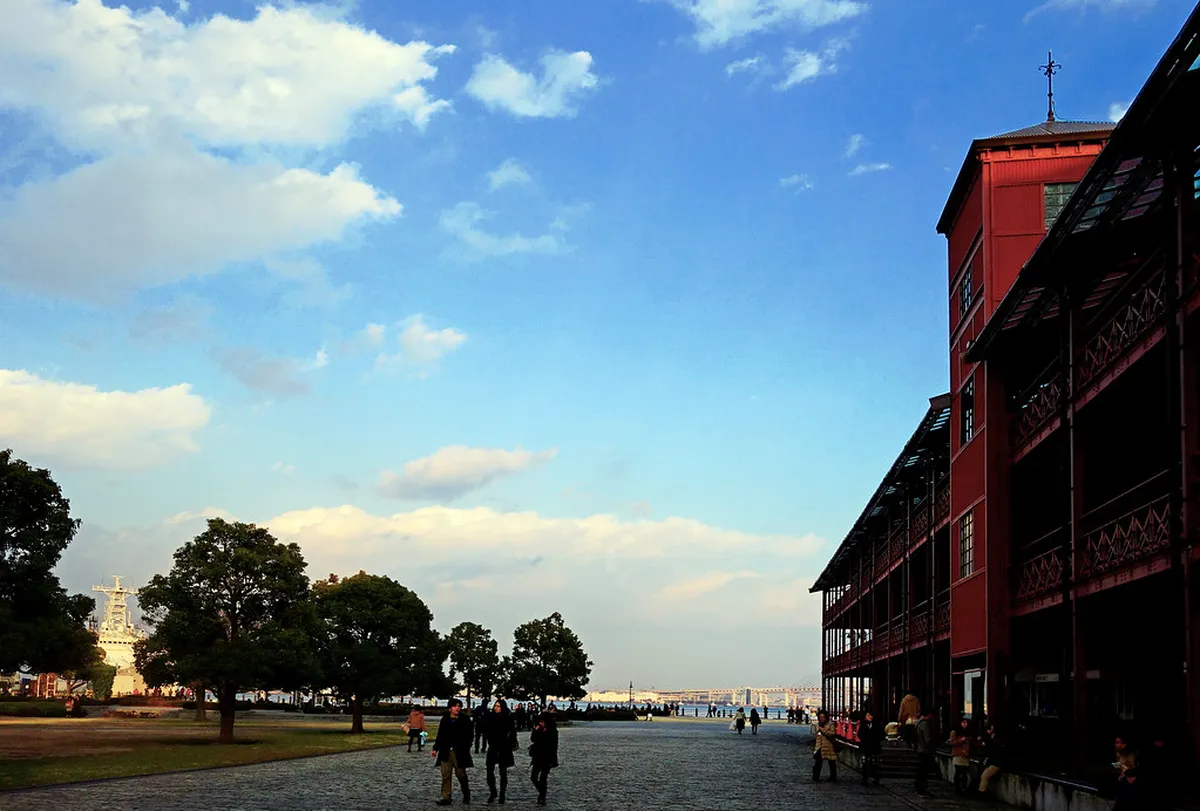
Most winter days in Yokohama feature clear blue skies and very low humidity. This dry air makes the cold feel sharper than in more humid climates. You should prepare for a biting wind that often blows from the sea. These coastal breezes can make the perceived temperature feel several degrees colder than the actual reading. Checking the daily forecast is vital before heading out for a full day of sightseeing.
February is often considered the most unpredictable month of the winter season. You might experience a mix of very cold days and early spring warmth. Rainfall remains relatively low during the winter compared to the summer months. Most days are sunny, which provides excellent visibility for seeing Mount Fuji in the distance. This clarity makes the city feel bright despite the lower temperatures.
Evening temperatures usually hover just above freezing throughout the peak of winter. You will notice that the air feels particularly dry during these late hours. Many hotels and shops use strong heaters to keep their indoor spaces comfortable. This creates a significant temperature difference between the indoor and outdoor environments. Always be ready to adjust your clothing as you move between these areas.
- December: High 12°C / Low 4°C
- January: High 9°C / Low 2°C
- February: High 10°C / Low 3°C
Does it Snow in Yokohama During Winter?
Many travelers wonder if they will see a white landscape during their visit. Heavy snow in Yokohama during winter is actually quite rare for this region. The city usually sees only one or two days of light snowfall each year. Most of this snow melts quickly once it touches the coastal ground. You are more likely to see cold rain than deep snowdrifts.
When it does snow, the city takes on a peaceful and ethereal appearance. The Minato Mirai skyline looks particularly beautiful with a light dusting of white. However, even a small amount of snow can cause delays in local train services. Pedestrians should be careful as the sidewalks can become quite slippery very quickly. Most locals continue their daily routines without much disruption during these light events.
The lack of consistent snow is due to the city's coastal location. The ocean water helps regulate the temperature and prevents extreme freezing in most cases. If you want to see deep snow, you should take a day trip north. Yokohama remains a great choice for those who prefer milder winter conditions. You can enjoy the season without dealing with heavy winter storms.
Ice can occasionally form on puddles during the early morning hours in January. You should watch your step when walking near the harbor or in parks. The wooden boardwalks in the port area can stay frosty until the sun hits them. Most public areas are well-maintained to ensure safety for all winter visitors. Wear shoes with good grip to handle any unexpected icy patches on the ground.
Yokohama Winter Weather Travel Tips for Packing
Knowing what to wear in Yokohama winter 2026 is essential for your comfort. The best strategy is to wear several thin layers rather than one heavy coat. This allows you to remove layers when entering heated trains or shopping malls. Start with a high-quality thermal base layer to trap your body heat effectively. Add a warm sweater and a windproof outer jacket for maximum protection.
A heavy wool coat or a down jacket is highly recommended for evening walks. Make sure your outerwear can block the strong winds coming off the bay. Accessories like scarves, gloves, and beanies are not just stylish but very practical. They protect your extremities from the dry and cold winter air during long walks. You can find many affordable and warm accessories at local Japanese retailers.
Footwear is another critical part of your packing list for the 2026 season. Choose comfortable walking shoes that provide some insulation against the cold pavement. Waterproof shoes are helpful if you encounter any winter rain or light sleet. Avoid wearing thin sneakers that allow the cold air to reach your feet easily. Thick wool socks will keep your toes warm during your outdoor adventures.
Do not forget to pack moisturizer and lip balm for your trip. The dry winter air in Yokohama can be quite harsh on your skin. Many travelers find that their skin becomes itchy or cracked without proper care. You should also carry a small reusable water bottle to stay hydrated. Even though it is cold, your body still needs plenty of water in dry weather. These small items make a big difference in your overall comfort.
Best Outdoor Winter Activities in Yokohama
Winter is the best time to see the Yokohama winter illumination 2026 spots across the city. Millions of LED lights transform the streets into a glowing wonderland after dark. The most famous displays are located around the Minato Mirai and Yamashita Park areas. These light shows usually begin in late November and run through February. Walking through these illuminated paths is a highlight for many winter visitors.
The Red Brick Warehouse hosts a popular outdoor ice skating rink every winter. This event provides a festive atmosphere with music and seasonal decorations for all ages. You can rent skates on-site for a reasonable fee of about 1,500 yen. The rink offers a unique view of the harbor while you glide on the ice. It is a perfect activity for families or couples visiting in 2026.
Visiting Sankeien Garden in the winter offers a serene and quiet experience. You can see the bare trees and traditional architecture without the usual large crowds. The garden often features special displays of winter flowers like plum blossoms in February. These early blooms signal the coming end of the winter season in Japan. It is a great place for peaceful reflection and traditional photography.
The Yokohama Convention & Visitors Bureau provides updates on many other seasonal events. You might find local festivals or food markets happening during your specific travel dates. The New Year period features traditional temple visits and bell-ringing ceremonies. Many people gather at the waterfront to watch the first sunrise of the year. These cultural experiences add deep meaning to your winter holiday in Yokohama.
How to Stay Warm While Exploring the City
One of the best secrets is learning how to stay warm while sightseeing in Yokohama using local tools. You should purchase disposable heat packs, known as kairo, from any convenience store. These small packs stay warm for several hours and can be placed in pockets. Some versions even have adhesive to stick onto your inner clothing layers. They are very inexpensive and provide instant relief from the biting cold.
Take advantage of the many vending machines located on almost every street corner. During winter, these machines offer a wide variety of hot canned drinks. You can choose from hot coffee, tea, cocoa, or even warm corn soup. Holding a hot can is a great way to warm up your hands quickly. These drinks usually cost between 130 and 160 yen each.
Plan your route to include frequent breaks inside heated buildings or malls. Yokohama has many large shopping complexes that are perfectly climate-controlled for your comfort. You can browse the shops or enjoy a meal while your body temperature recovers. This strategy prevents you from becoming overly exhausted by the cold outdoor air. It also allows you to see more of the city's modern architecture.
Public transportation in Yokohama is exceptionally warm and comfortable during the winter months. The seats on many trains are actually heated from underneath for passenger comfort. This makes traveling between different districts a very pleasant and cozy experience. You might even find yourself feeling too warm if you wear a heavy coat inside. Be ready to unbutton your jacket as soon as you board the train.
Top Indoor Attractions for Cold Winter Days
If the weather becomes too cold, head to the Yokohama Museum of Art for culture. This spacious building offers a warm environment to explore impressive local and international works. The museum is located in the heart of Minato Mirai near many other attractions. It is a perfect place to spend a few hours away from the wind. Check their schedule for special 2026 exhibitions before you visit.
The Cup Noodles Museum is another fantastic indoor option for travelers of all ages. You can learn about the history of instant ramen in a fun way. The museum allows you to create your own custom cup of noodles to take home. This activity takes place entirely indoors and provides hours of interactive entertainment. It is a very popular spot, so booking your tickets in advance is recommended.
Eating the best winter food in Yokohama is a great way to stay warm. Yokohama Chinatown offers countless restaurants serving hot steamed buns and spicy Sichuan dishes. A bowl of hot ramen or a bubbling hot pot meal is perfect for winter. These hearty meals provide the energy and warmth needed for a full day of exploring. Many restaurants in Chinatown have cozy interiors with traditional Chinese decorations.
You can also check out the Yokohama winter events 2026 list for indoor concerts or shows. The city has several world-class performance venues that host events throughout the season. Watching a live performance is a sophisticated way to spend a cold winter evening. Most venues are easily accessible by train or bus from the main station. This ensures you spend as little time as possible in the cold air.
Frequently Asked Questions
What is the coldest month in Yokohama?
January is typically the coldest month in Yokohama with average lows of 2°C. You should expect the most consistent cold weather during this time. Clear skies are common, but the wind from the bay can feel very sharp and biting.
Does Yokohama get a lot of rain in winter?
Winter is actually the driest season in Yokohama with very little rainfall. Most days are sunny and clear, which is perfect for sightseeing and photography. You might experience occasional light rain or sleet, but heavy storms are quite uncommon during these months.
Are shops and restaurants open during the winter holidays?
Most shops and restaurants remain open, but many close for a few days around New Year. Usually, businesses are closed from December 31st to January 3rd. Large shopping malls in Minato Mirai often reopen on January 1st or 2nd for major sales.
Is it worth visiting Yokohama in the winter?
Yes, winter is a fantastic time to visit due to the beautiful illuminations and clear views. You can see Mount Fuji more clearly in winter than during any other season. The festive atmosphere and seasonal foods make it a very special time for travelers.
Visiting Yokohama in the winter of 2026 offers a unique and beautiful perspective of the city. By following these Yokohama winter weather travel tips, you can stay warm and comfortable. Enjoy the stunning light displays, delicious hot food, and the crisp coastal air. Start planning your winter adventure today to experience the best of this Japanese port city.