
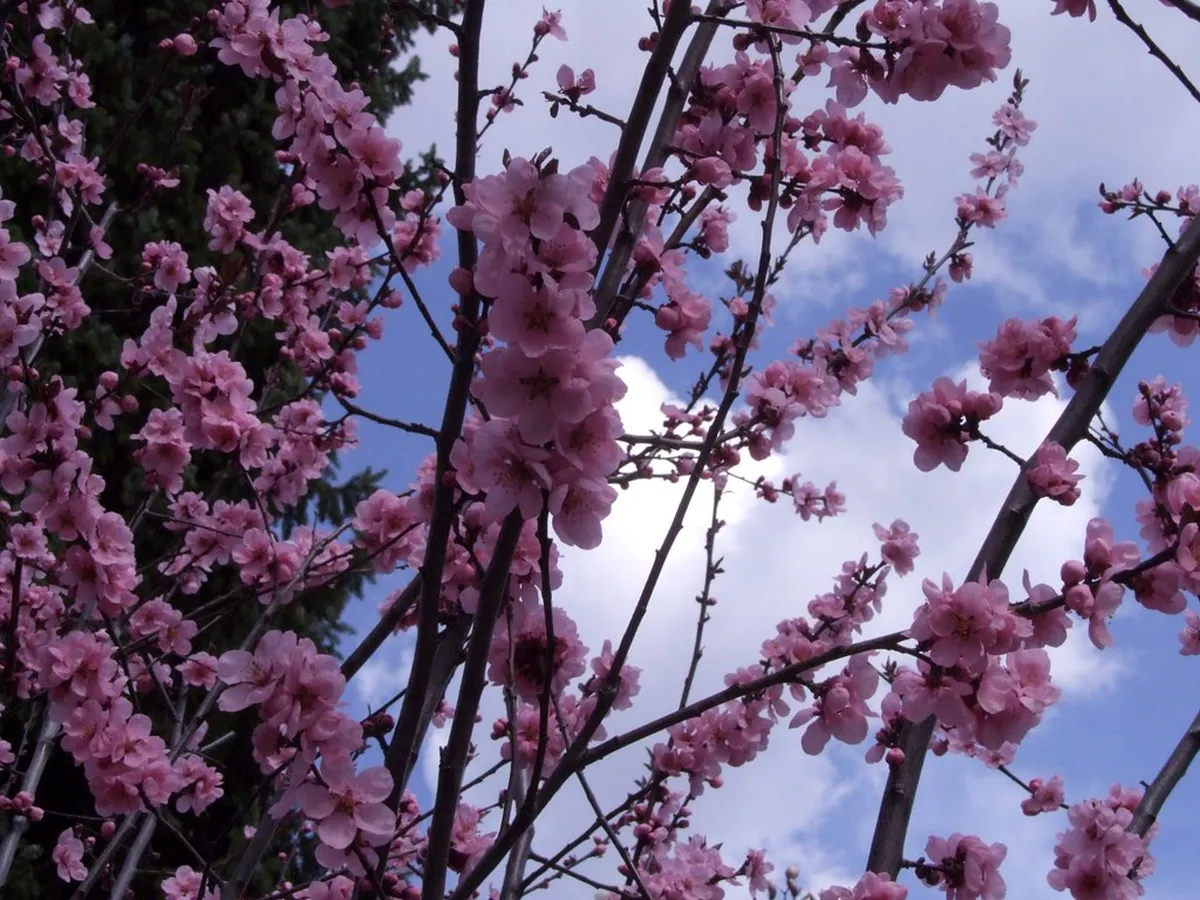
Spot the Difference Between Plum and Cherry Blossoms Kyoto
Many travelers often struggle to find the difference between plum and cherry blossoms Kyoto during the spring. Plum blossoms typically start blooming in late February while the weather is still quite cold. Cherry blossoms usually wait until late March to show their beautiful pink and white colors. Understanding these unique traits helps you plan the perfect trip for the 2026 flower season.
Timing and Bloom Periods in Kyoto
For practical details and last-minute changes, use Kyoto travel info.
You can find the latest updates on Kyoto travel info.
The arrival of plum blossoms marks the very first sign of spring in the city of Kyoto. These hardy flowers usually appear in mid-February and last until the middle of March each year. You can often see them dusted with light snow during the colder winter mornings in Japan. Visiting during this time allows you to enjoy beautiful scenery without the massive spring tourist crowds.Cherry blossoms follow a different schedule and usually peak during the last week of March in 2026. These flowers are much more sensitive to temperature changes than the sturdy plum blossoms are. A warm week in March can cause the cherry trees to bloom several days earlier than expected. You should check the best time for plum blossoms Kyoto 2026 for updated seasonal forecasts.
If you visit Kyoto in early March, you might be lucky enough to see both flowers blooming. Some late-blooming plum trees overlap with the very earliest cherry blossom varieties found in the city. This rare overlap creates a stunning display of different colors and shapes across the local temple gardens. Planning your trip for early March offers the best chance to see this natural floral transition.
Visual Difference Between Plum and Cherry Blossoms Kyoto
The most obvious physical difference between plum and cherry blossoms Kyoto is the distinct shape of the petals. Plum tree petals are perfectly round and give the flower a very simple and elegant look. Cherry blossom petals have a small cleft or split at the very tip of each individual petal. This tiny notch makes the cherry blossom look like a small heart when viewed very closely.
Another way to tell them apart is by looking at how the flowers grow on the tree. Plum blossoms grow directly from the branch without any long green stems to hold them in place. Cherry blossoms grow in large clusters and hang from the branches on long and thin green stems. These clusters create the fluffy, cloud-like appearance that makes cherry trees so famous in Japan. You can see these clusters in our Kyoto plum blossom viewing 2026 guide images.
- Plum Petals: Round shape with no split at the end.
- Cherry Petals: Oval shape with a distinct notch at the tip.
- Plum Growth: Single flowers attached directly to the dark wood.
- Cherry Growth: Multiple flowers hanging in bunches from long stems.
Color can also help you identify which tree you are looking at during your Kyoto garden walk. Plum blossoms come in very intense shades of dark pink, bright red, and pure white. Cherry blossoms are usually a very pale pink or white and rarely reach the deep red tones. These vibrant plum colors stand out beautifully against the dark and craggy bark of the older trees.
Identifying Trees by Bark and Fragrance
You can identify these trees even before the flowers fully open by looking at the tree bark. Plum tree bark is very dark and has a rough, cracked texture that looks quite ancient. Cherry tree bark is much lighter in color and usually has a smooth, greyish-purple appearance. You will also notice distinct horizontal lines, called lenticels, running across the trunk of a cherry tree.
The fragrance of the flowers provides another clear difference between plum and cherry blossoms Kyoto for visitors. Plum blossoms have a very strong and sweet scent that fills the air in the gardens. You will often smell the flowers before you even see the trees while walking through a shrine. This spicy and floral aroma is one of the most beloved parts of the early spring season.
In contrast, cherry blossoms have a very faint scent that is often difficult for people to detect. You usually have to put your nose very close to the petals to smell anything at all. This lack of scent is why cherry blossom viewing focuses mostly on the visual beauty of the trees. Some weeping plum varieties, like those at Jonangu Shrine, offer the most powerful fragrance in Kyoto.
Best Viewing Spots for Both Flowers
Kitano Tenmangu Shrine is widely considered the best place to see plum blossoms in all of Kyoto. The shrine grounds contain over 2,000 plum trees that bloom in many different colors and styles. You can visit the Kitano Tenmangu Shrine plum blossom festival guide for event details. This location offers a magical experience during the annual plum blossom festival held every February.
For the best cherry blossom experience, you should head to the famous Maruyama Park in the Gion district. This park features a massive weeping cherry tree that looks incredible when illuminated at night. Many locals gather here for picnic parties under the flowers during the peak of the spring season. The park provides a lively atmosphere that captures the true spirit of the Japanese spring.
To find more official information on garden opening times, check the Kyoto City Official Travel Guide website. Many temples charge a small entry fee of 500 to 1,000 yen for garden access. Most gardens open at 9:00 AM and close around 5:00 PM during the peak blooming months. Arriving early in the morning will help you avoid the largest crowds at these popular spots.
Frequently Asked Questions
Which blooms first in Kyoto, plum or cherry blossoms?
Plum blossoms always bloom first, starting in mid-February and lasting through March. Cherry blossoms follow later, typically reaching their peak in late March or early April. This allows for a very long floral season in the city.
Can I see both plum and cherry blossoms at the same time?
Yes, you can often see both during a short window in early to mid-March. Late-blooming plum varieties often overlap with early-blooming cherry trees in specific Kyoto gardens. This is the best time for photographers to visit.
How do I tell the difference between plum and cherry petals?
Look for a small notch at the tip of the petal to identify a cherry blossom. Plum petals are perfectly round and do not have any split at the end. This is the easiest visual identification method.
Knowing the difference between plum and cherry blossoms Kyoto makes your 2026 trip much more rewarding. You can enjoy the sweet scents of plum or the fluffy clouds of cherry flowers. Both seasons offer a unique way to experience the natural beauty of this ancient city. Start planning your visit to the best gardens and shrines in Kyoto for the next spring season.