
Kitano Tenmangu Shrine Plum Blossom Festival Guide 2026
This Kitano Tenmangu shrine plum blossom festival guide provides all the details for your 2026 Kyoto winter journey. The shrine honors Sugawara no Michizane, a famous scholar who loved beautiful plum trees. Visitors flock here every February to witness thousands of blossoms filling the air with sweet scents. This event is a highlight of Kyoto plum blossom viewing 2026 schedules.
2026 Festival Dates and Peak Bloom
For the most up-to-date details, check Kyoto travel info before you go.
You can find the latest updates on Kyoto travel info.
The festival usually begins in early February and lasts until the end of March each year. February 25 is the most important day because it marks the anniversary of the deity's passing. You should plan your visit for late February to see the most vibrant colors in the garden. The plum grove officially opens to the public during the first week of February 2026.Peak bloom typically occurs between late February and early March depending on the winter temperatures. Early blossoms may appear in January if the weather remains mild throughout the winter season. You can check the Kyoto City Official Travel Guide for real-time blooming updates. Most visitors spend about two hours exploring the grounds during the peak festival weeks.
The main Baikasai ceremony takes place on February 25 regardless of the current blossom stage. This day attracts the largest crowds, so you must arrive very early to secure a spot. The shrine gates open at 9:00 AM for those wishing to enter the special plum garden. Expect long queues if you visit during the weekend or on the official festival day.
Exploring the Plum Grove Varieties
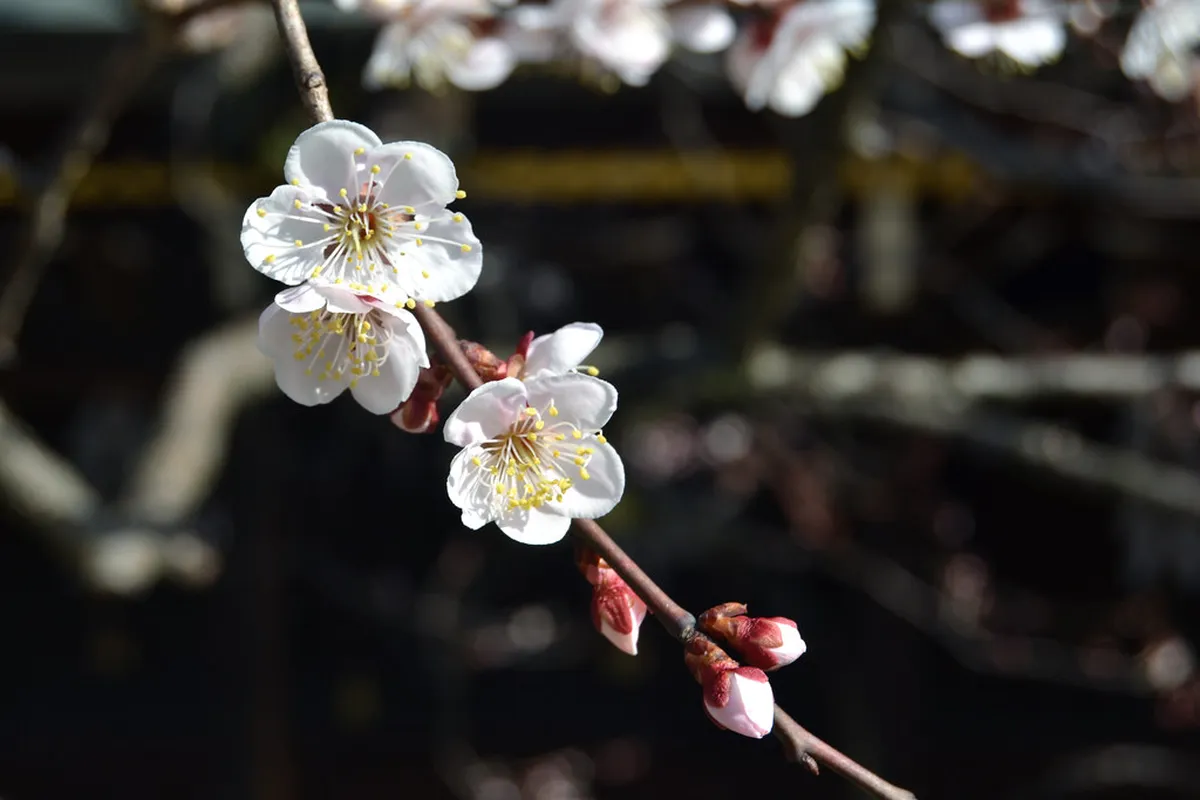
You will find over fifty different types of plum trees scattered across the large shrine grounds this year. There are approximately 1,500 trees that produce flowers in shades of white, pink, and deep red. Many people enjoy learning the difference between plum and cherry blossoms while walking through the grove. Plum blossoms have rounded petals and a much stronger fragrance than cherry blossoms.
Some trees feature weeping branches that drape elegantly toward the mossy ground of the garden. These varieties are particularly popular for photography because of their unique and graceful shapes. The contrast between the dark bark and the bright petals creates a stunning visual for all guests. You can walk along winding paths that lead you through the densest parts of the grove.
The garden also features a special elevated walkway that offers a bird's-eye view of the blossoms. This perspective allows you to see the vast sea of flowers stretching toward the shrine buildings. Be sure to look for the rare green-petaled plums that bloom in specific corners of the garden. These unique flowers are a favorite among local botanical enthusiasts and photographers.
The Baikasai Outdoor Tea Ceremony
The Baikasai is a famous outdoor tea ceremony held annually on February 25 at the shrine. Geiko and maiko from the nearby Kamishichiken district serve traditional matcha tea to the festival guests. This event is one of the plum blossom tea ceremonies you cannot miss in Kyoto. It offers a rare chance to see traditional performers in a beautiful outdoor setting.
Tickets for the tea ceremony cost approximately 2,000 yen and include a small Japanese sweet. You can purchase these tickets at the shrine on the day of the event starting early. The ceremony takes place in a dedicated area near the main plum grove entrance. Seats are limited, so many visitors wait in line for over an hour to participate.
The atmosphere during the tea ceremony is peaceful despite the large number of people attending. You will sit on red felt benches while watching the elegant movements of the tea masters. This tradition has continued for over 900 years to honor the spirit of the enshrined deity. It is a perfect way to experience authentic Kyoto culture during the cold winter months.
Evening Illuminations and Night Viewing
Kitano Tenmangu offers special evening illuminations during the peak of the plum blossom season in 2026. The garden stays open until 8:00 PM on select Friday, Saturday, and Sunday nights in March. Strategically placed lights highlight the delicate petals against the dark night sky for a magical effect. This is a standout among Kyoto winter events 2026 for romantic evening strolls.
The temperature drops significantly after sunset, so you should wear heavy layers for your night visit. The illuminated paths create a completely different mood compared to the bright and sunny daytime hours. Shadows and light play across the ancient shrine architecture to create a mysterious and beautiful scene. Photography enthusiasts will find many great angles near the lighted ponds and bridges.
Entry fees for the night illumination are usually the same as the daytime garden entry price. Your ticket often includes a small cup of warm tea and a traditional snack to enjoy. The crowds are often thinner during the evening, making it easier to find a quiet spot. It is a wonderful way to end a day of sightseeing in northern Kyoto.
Planning Your Visit to the Shrine
Entry to the main shrine grounds is free, but the plum garden requires a paid ticket. The garden fee is usually 1,200 yen for adults and includes tea and a sweet treat. You can reach the shrine easily by taking city bus 50 or 101 from Kyoto Station. The bus ride takes about thirty minutes depending on the local traffic conditions.
If you visit on February 25, you can also explore the famous Tenjin-san flea market nearby. Hundreds of stalls sell antiques, textiles, and delicious street food along the streets surrounding the shrine. This market is a great place to find unique souvenirs and try local Kyoto snacks. Wear comfortable walking shoes because you will cover a lot of ground during your visit.
Consider visiting the nearby Kamishichiken district after you finish exploring the plum blossom festival. This area is the oldest geisha district in Kyoto and features beautiful traditional wooden buildings. You can find many small cafes and restaurants that serve seasonal plum-themed dishes and drinks. Planning your trip early ensures you experience the best of Kyoto's late winter charm.
Frequently Asked Questions
When is the best time to see plum blossoms at Kitano Tenmangu?
The best time is usually from late February to early March. The main festival occurs on February 25, which often aligns with peak bloom. Check local weather reports for 2026 to see if an early spring might shift the flowering dates by a week.
How much does it cost to enter the plum blossom festival?
Entry to the shrine is free, but the plum garden costs 1,200 yen. This ticket includes a serving of tea and a traditional Japanese sweet. If you wish to join the Baikasai tea ceremony, expect to pay an additional 2,000 yen for that specific event.
Is the Kitano Tenmangu plum festival crowded?
Yes, the festival is very popular, especially on February 25 and during weekends. To avoid the biggest crowds, try visiting on a weekday morning right when the garden opens at 9:00 AM. Evening illumination hours also tend to be slightly less crowded than midday.
The Kitano Tenmangu shrine plum blossom festival guide helps you enjoy one of Kyoto's best winter traditions. Plan to visit in late February 2026 to see the flowers and the tea ceremony. This event offers a perfect mix of natural beauty and deep Japanese culture. Book your travel soon to experience these fragrant blossoms for yourself.