
Your Guide to Kyoto Plum Blossom Viewing 2026
Kyoto transforms into a fragrant paradise during early spring. The sweet scent of plum blossoms fills the air across the city. You should plan your Kyoto plum blossom viewing 2026 trip early to see the best blooms. This guide helps you find the most beautiful spots and festivals.
Best Time for Kyoto Plum Blossom Viewing 2026
For practical details and last-minute changes, use Kyoto travel info.
Plum blossoms are the first sign that winter is ending in Japan. These flowers usually bloom from early February through mid-March. The peak for Kyoto plum blossom viewing 2026 is expected in late February. You should check the best time for plum blossoms Kyoto 2026 for weekly updates. Weather changes can cause the flowers to open earlier or later.Early bloomers start to appear when the weather is still quite cold. These hardy flowers often withstand light snow in early February. By the middle of the month, more varieties begin to open their petals. This creates a stunning mix of white, pink, and deep red colors. Plan your visit during the last week of February for the most vibrant displays.
The blooming season for plum trees lasts longer than the cherry blossom season. You can often enjoy the flowers for three to four weeks. This gives travelers more flexibility when booking their 2026 spring trip. Be sure to review Kyoto winter travel tips 2026 for packing advice. The air remains quite chilly during the peak plum blossom weeks.
Temperature plays a major role in how fast the buds open. Warm sunny days in January can trigger an early start to the season. Conversely, a long cold snap may delay the peak until early March. Most shrines provide daily blossom reports on their official websites. You can also consult the Kyoto City Official Travel Guide for real-time blooming status.
Top Shrines for Kyoto Plum Blossom Viewing 2026
Kitano Tenmangu Shrine is the most famous location for plum blossoms in Kyoto. It features over 1,500 trees in many different varieties. The plum grove is open to the public for a small fee. You can walk through winding paths surrounded by fragrant flowers. The shrine is easily accessible by city bus from Kyoto Station.
Jonangu Shrine is another must-visit spot for its spectacular weeping plum trees. These trees have long branches that hang down like floral waterfalls. The contrast between the pink blossoms and green moss is breathtaking. You should check the Jonangu Shrine weeping plum blossom 2026 dates before visiting. This shrine is located in the southern part of the city.
Zuishin-in Temple offers a more peaceful and quiet viewing experience. It is famous for its late-blooming pink plum blossoms. The temple garden provides a traditional backdrop for your photos. You can find information on Zuishin-in Temple plum garden opening hours to plan your day. It is a great choice for avoiding large crowds.
The Kyoto Imperial Palace also has a large plum grove open to all. You can find it near the southwest corner of the park grounds. Entry to the park area is free for all visitors. This is a perfect spot for a relaxed afternoon stroll. The wide paths make it easy to view the trees from different angles.
- Kitano Tenmangu: 1,000 yen for plum grove entry.
- Jonangu Shrine: 1,000 yen for garden admission.
- Zuishin-in: 500 yen for garden entry.
- Kyoto Imperial Palace: Free access to the plum grove.
Plum Blossom Festivals and Cultural Events
The Baikasai is the most significant plum blossom festival in Kyoto. It takes place annually on February 25th at Kitano Tenmangu. This event honors the spirit of a famous scholar and poet. Geiko and maiko from the nearby Kamishichiken district serve tea. You can learn more in our Kitano Tenmangu Shrine plum blossom festival guide.
During the festival, an outdoor tea ceremony is held under the blooming trees. Tickets for the tea service usually cost around 2,000 yen. These tickets often sell out very quickly on the day of the event. It is a rare chance to see traditional performers in a beautiful outdoor setting. The atmosphere is festive and filled with local history.
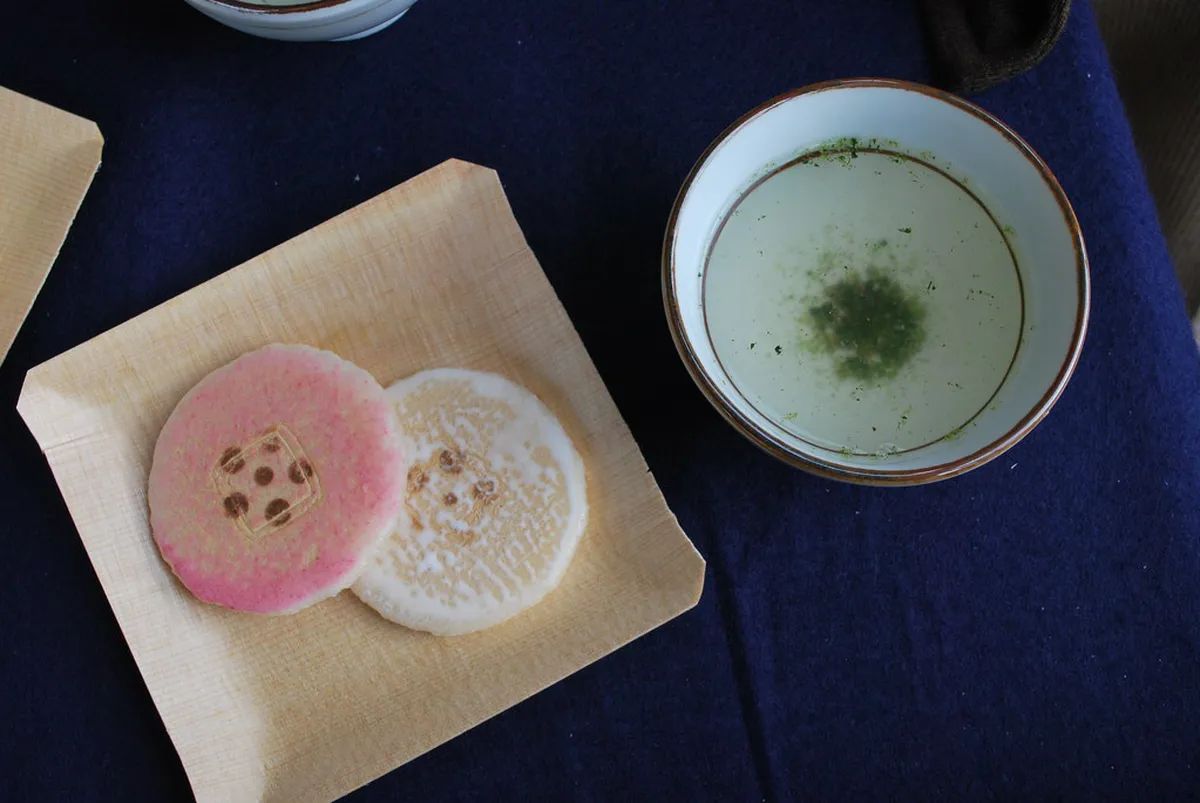
Many shrines offer special seasonal food during the plum blossom weeks. You can try plum-flavored rice cakes or sweet bean jelly. Some locations serve hot plum tea to keep visitors warm. These treats are often decorated with small flower shapes. Look for vendors selling "Ume-boshi" or pickled plums near the shrine entrances.
Evening illuminations sometimes occur at specific temples during the peak season. These light displays create a magical atmosphere after the sun sets. The glowing blossoms look stunning against the dark night sky. Check the Japan National Tourism Organization website for 2026 illumination schedules. Not all shrines offer evening hours, so verify before you go.
Photography Tips for Kyoto Plum Blossoms
Capturing the beauty of plum blossoms requires some specific techniques. Use a wide aperture like f/2.8 to create a soft background. This helps the delicate flowers stand out from the branches. Early morning light provides the best colors for your floral shots. Our photography guide for Kyoto plum blossom season offers more detailed tips.
Plum trees often have dark, craggy bark that contrasts with the soft petals. Try to include some of the wood in your compositions. This adds a sense of age and character to your images. Macro lenses are excellent for capturing the intricate details of the stamens. Be patient and wait for the wind to stop before taking your shot.
Most shrines in Kyoto are very strict about tripod use. You should avoid bringing large tripods into crowded garden areas. Monopods are sometimes allowed but always check the local rules first. Hand-held shooting is usually the best way to move through the crowds. Respect other visitors by not blocking the narrow paths for too long.
Most international travelers arrive at Kansai International Airport. This is the closest major hub to Kyoto. It offers easy train access to the city center. You can reach the main plum blossom spots quickly by public transit. Wear comfortable walking shoes as you will explore many gravel paths.
Plum vs Cherry Blossoms: How to Tell
Many travelers find it hard to distinguish plum blossoms from cherry blossoms. Plum blossoms have round petals without any notch at the tip. They grow directly from the branch without a long green stem. This gives the tree a very different look than the cherry tree. Understanding the difference between plum and cherry blossoms Kyoto enhances your experience.
The fragrance is another major clue for identifying the flowers. Plum blossoms have a very strong and sweet floral scent. You can often smell them before you even see the trees. Cherry blossoms have a very faint or almost no scent at all. The plum fragrance is often compared to honey or spice.
Plum trees also bloom much earlier than cherry trees in Kyoto. If you see blossoms in February, they are almost certainly plum. Cherry blossoms usually wait until late March or early April to open. The bark of a plum tree is dark and very rough. Cherry tree bark is usually lighter with distinct horizontal lines.
In Japanese culture, the plum blossom represents endurance and hope. It is a symbol of the coming spring after a long winter. Many traditional gardens feature plum trees near the main entrance. This placement welcomes guests with a pleasant scent and bright colors. Take a moment to appreciate the history behind these beautiful ancient trees.
Frequently Asked Questions
When is the best time for Kyoto plum blossom viewing 2026?
The best time is usually from mid-February to early March. Peak blooms in 2026 are expected around February 25th. Check local weather reports for the most accurate timing. Different varieties may bloom at slightly different times across the city.
Which Kyoto shrine is best for seeing plum blossoms?
Kitano Tenmangu is the top choice for most visitors. It has over 1,500 trees and hosts a famous festival. Jonangu Shrine is also highly recommended for its weeping plum trees. Both offer unique and beautiful landscapes for spring travelers.
Is there an entry fee for plum blossom gardens in Kyoto?
Yes, most major shrines charge an entry fee for their plum groves. Prices typically range from 500 to 1,000 yen per adult. The Kyoto Imperial Palace plum grove is a great free alternative. Always carry cash as some shrines do not accept cards.
Kyoto plum blossom viewing 2026 offers a magical start to the spring season. You can enjoy fewer crowds and beautiful scents across the city. Visit Kitano Tenmangu or Jonangu for the best floral displays. Start planning your trip today to experience this traditional Japanese beauty. Enjoy your spring adventure in the historic heart of Japan!