
Ultimate Nikkō Winter Itinerary 3 Days for 2026
Nikkō transforms into a snowy paradise during the winter months of 2026. This Nikkō Winter Itinerary 3 Days covers the best cultural and natural sites. You will see frozen waterfalls, ancient temples, and cozy hot springs. It is the perfect winter escape from the busy streets of Tokyo.
Day 1: Exploring Shrines and Heritage Sites
For the most up-to-date details, check Nikkō travel info before you go.
For the most up-to-date details, check Nikkō travel info before you go.
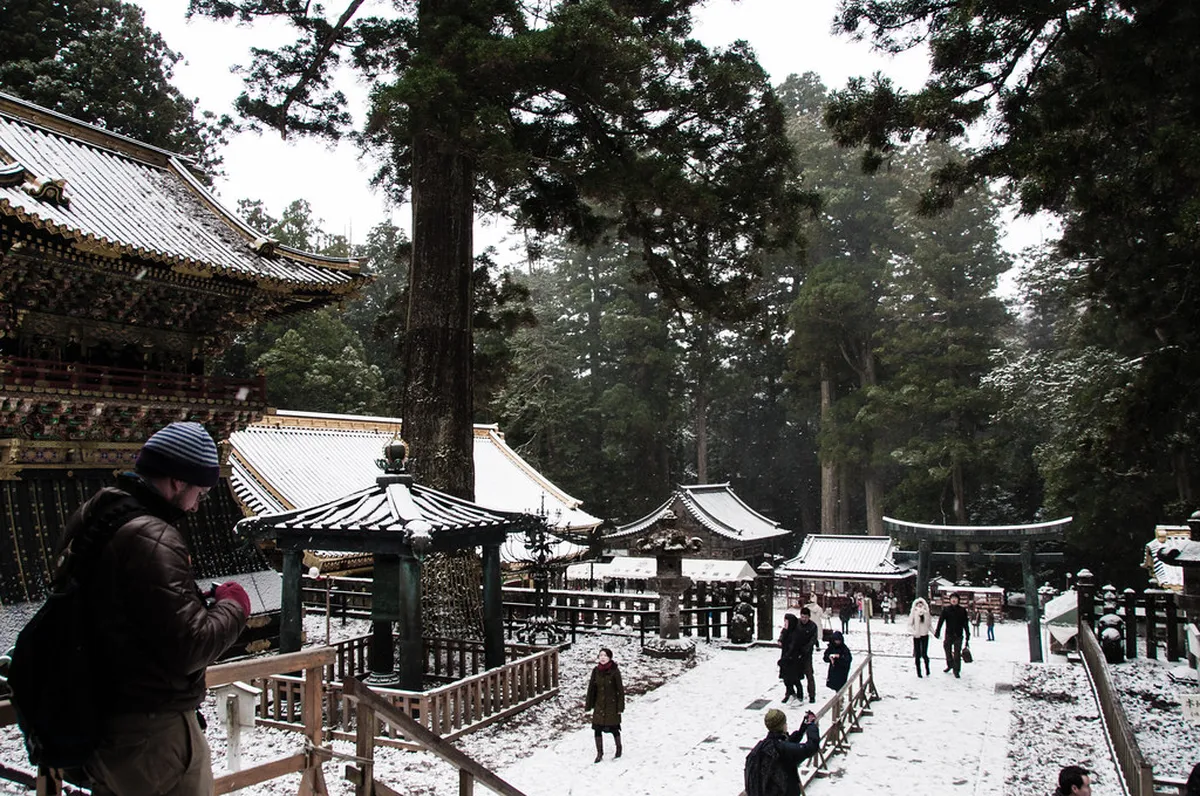
Start your first day at the iconic Shinkyo Bridge. This sacred red bridge looks stunning against the white snow. It marks the entrance to Nikko's world heritage area. You can take beautiful photos from the nearby road bridge for free. The bridge entrance fee is 300 yen for adults.Next, walk up the hill to the famous Toshogu Shrine. This is the final resting place of Tokugawa Ieyasu. The carvings are incredibly detailed and covered in gold leaf. Be sure to check the Nikko Toshogu Winter Illumination schedule for evening events. The shrine entry costs 1,300 yen per person.
Visit the nearby Rinno-ji Temple to see its massive gold statues. The temple grounds are peaceful and look magical under a blanket of snow. These sites are part of the UNESCO World Heritage Centre list. Most visitors spend about three hours exploring this main temple complex. Wear sturdy boots because the stone paths can be slippery.
End your afternoon at the Kanmangafuchi Abyss. This riverside path features about 70 stone Jizo statues. The statues wear red caps and bibs that pop against the snow. It is a quiet walk away from the main tourist crowds. The path is free to enter and stays open all day.
Day 2: Discovering Frozen Waterfalls and Lakes
Head to the Okunikko area on your second morning. You will ride a bus up the famous Irohazaka winding road. The views of the snow-covered mountains are truly breathtaking. Your first stop should be the magnificent Kegon Falls. This is one of the tallest waterfalls in all of Japan.
In winter, the waterfall often freezes into giant blue ice pillars. Check the Kegon Falls winter ice guide for the best viewing times. An elevator takes you to the base for 570 yen. The spray from the falls creates unique ice patterns on the rocks. It is a must-see highlight of any winter trip.
Walk over to Lake Chuzenji after seeing the waterfall. The lake sits at the foot of Mount Nantai. The water is a deep blue and rarely freezes completely. You can find many Lake Chuzenji winter activities like scenic walks and boat tours. Most lake cruises operate on a limited winter schedule.
Visit the Chuzenji Temple on the eastern shore of the lake. It houses a famous statue carved from a living tree. The temple balcony offers a panoramic view of the icy lake. Entrance to the temple costs 500 yen for adults. Finish your day with a warm drink at a lakeside cafe.
Day 3: Magic at the Yunishigawa Kamakura Festival
Travel further north to the remote village of Yunishigawa. This area is famous for its traditional thatched-roof houses. During winter, the village hosts a spectacular snow festival. It is one of the most romantic spots in the region. The journey takes about one hour from central Nikko.
The main attraction is the hundreds of mini snow huts called kamakura. These huts are lit with candles every evening. You should read the Yunishigawa Kamakura Festival 2026 guide for exact dates. The festival usually runs from late January through early March. It creates a dreamlike atmosphere in the dark.
Warm up by soaking in a traditional Japanese hot spring. Yunishigawa is known for its high-quality onsen water. Many outdoor baths offer views of the falling snow. Consult the Nikko winter onsen guide to find the best public baths. Daytime entry fees usually range from 500 to 1,000 yen.
Spend your final night in a traditional ryokan inn. You will enjoy a multi-course dinner served around a hearth. Local specialties include grilled river fish and mountain vegetables. This experience provides a deep look into Japanese winter culture. It is the perfect way to end your three-day journey.
Practical Tips for Nikkō Winter Travel
Public transport is the best way to get around Nikkō. Use the Nikko winter transportation tips to save money. The Nikko All Area Pass covers all buses and trains. It costs around 4,150 yen for a four-day pass in winter. You can buy it at Tobu Asakusa Station in Tokyo.
Winter weather in Nikkō can be very cold and windy. Temperatures often stay below freezing throughout the day. You must wear thermal layers and a heavy waterproof coat. Don't forget a hat, gloves, and thick wool socks. Heat packs called kairo are sold at most convenience stores.
Daylight hours are short during the winter months. The sun usually sets around 4:30 PM in January. Most temples and shrines close their gates by 4:00 PM. Plan your outdoor activities for the morning and early afternoon. Visit the Nikko Official Guide for current opening hours.
Walking on icy paths can be difficult for some travelers. Many shops sell clip-on ice spikes for your shoes. These provide extra grip on the slippery temple stairs. Always walk slowly and keep your hands out of your pockets. Safety is important when exploring the snowy mountain trails.
Best Winter Foods to Try in Nikkō
Nikkō is famous for a food called Yuba. This is the thin skin that forms on soy milk. It is served in many ways, including fried or in soup. Hot Yuba noodles are perfect for a cold winter lunch. You can find these dishes at most restaurants near the shrines.
Check the Nikko winter food and dining guide for restaurant recommendations. Many local spots offer seasonal hot pot dishes. These pots are filled with fresh vegetables and local meats. They are designed to be shared with friends or family. A typical lunch costs between 1,500 and 2,500 yen.
Try some sweet dango for a quick afternoon snack. These are grilled rice dumplings on a wooden stick. They are often coated in a sweet soy glaze. You can find street vendors selling them near the Shinkyo Bridge. They are best enjoyed while they are still steaming hot.
Nikkō also has a long history of sake brewing. The cold winter water is perfect for making high-quality rice wine. Many breweries offer small tasting sets for visitors. It is a great way to support local businesses. A bottle of premium sake makes a wonderful winter souvenir.
Frequently Asked Questions
Is 3 days enough for Nikkō in winter?
Yes, three days is the ideal amount of time for a winter visit. It allows you to see the main heritage sites and the natural beauty of Okunikko. You will also have time to visit the remote Yunishigawa snow festival without rushing.
How do I get to Nikkō from Tokyo?
The fastest way is the Tobu Limited Express Spacia or Revaty train. It takes about two hours from Asakusa or Shinjuku stations. Using a Nikko Pass is the most cost-effective method for travelers.
Are the temples open during the winter holidays?
Most temples and shrines in Nikkō stay open throughout the winter. However, they may have shorter operating hours than in the summer. Always check the official website for specific holiday closures before you travel.
This Nikkō Winter Itinerary 3 Days ensures you experience the best of Japan. From frozen falls to glowing snow huts, Nikkō is truly magical in 2026. Start planning your trip today to see these icy wonders for yourself. For more details, see our other guides on the region.